A failing air conditioner in July leaves an ugly imprint on memory. It is a heavy, avoidable expense when the wrong person installs, diagnoses, or repairs your system. In Wood River, the pool of contractors ranges from highly skilled technicians with decades of local experience to fly-by-night outfits focused on quick cash. Learn the signs that separate competent HVAC work from poor practice, so you can protect comfort, air quality, and your wallet.
Why this matters A bad installation shortens equipment life, inflates utility bills, and can create safety hazards. A hurried repair patches symptoms instead of fixing causes, resulting in repeated callbacks and higher lifetime cost. When the stakes are temperature, humidity, mold control, and in winter, even carbon monoxide risk, the cost of trusting the wrong contractor is more than money.
How poor practices typically look in the field You can spot many red flags before technicians touch anything. One common failure is sloppy measurements. Proper AC installation in Wood River starts with load calculations and duct assessments. I once measured a home where a contractor had relied on the old rule of thumb: size the unit to house square footage alone. The result was a three-ton condenser on a 1,200-square-foot home with undersized, leaky HVAC company near me in Wood River IL ducts. That system short-cycled, never dehumidified properly, and lasted maybe half as long as it should have.
Another recurring problem is shortcuts on refrigerant charging. Modern systems require charging by superheat, subcooling, or precise weight for split systems, not by simply "topping off" refrigerant until the compressor sounds better. Improper charge means higher energy use, reduced cooling capacity, and eventual compressor failure. I have seen technicians add refrigerant and leave a slow leak unaddressed; the homeowner was back in two months with the same complaint.
Documentation is often neglected. A reputable HVAC contractor provides a written estimate, clear scope of work, warranty details, and post-service paperwork documenting pressures, temperatures, or other test results. If a company refuses to put things in writing or gives vague guarantees, consider it a warning.
Red flags you can spot before hiring The first interaction reveals a lot. Does the company pick up the phone consistently? Do they give a reasonable appointment window, or do they show up three hours late without calling? In one case, a nearby family scheduled emergency AC repair near me through a service that promised same-day help. The technician arrived four hours late and spent the visit trying to troubleshoot an intermittent breaker problem that would have been evident with a proper visual inspection, simply because he did not look at the outdoor disconnect first. Time wasted is money lost.
Check licensing and insurance. Illinois requires HVAC contractors to meet local licensing rules, and liability insurance is nonnegotiable. Ask for proof. If they hesitate or offer excuses about paperwork, walk away. Also be wary of unusually low bids. A price far below market often signals corners cut in materials, labor, or warranty.
A practical checklist to evaluate a contractor in person
- arrives with a vehicle branded or clearly marked and carries proper identification asks for access to the attic, crawlspace, or furnace room and inspects ductwork, refrigerant lines, and electrical before quoting provides a written estimate with labor, parts, permit fees if needed, and a timeline explains warranty coverage and offers to register equipment with the manufacturer when required carries appropriate tools, gauges, and a way to test indoor and outdoor temperatures
What poor workmanship looks like during service Even after hiring, you can judge quality by watching a job unfold. A professional will start with diagnostics: recording static pressure, entering temperatures, checking refrigerant charge, inspecting filter and coil condition, and looking for obvious safety issues. They will explain what they find rather than using jargon as a shield. If the technician replaces a part without showing evidence that the part was the root cause, that is a red flag.
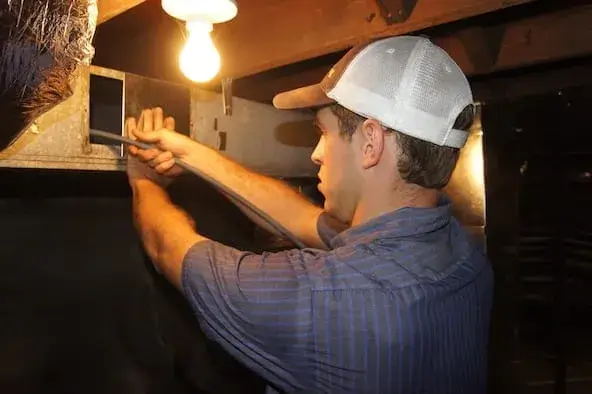
Poor installers treat the return air and duct system as an afterthought. I attended a replacement where the installer disconnected the old plenums, shoved the new furnace in place, then sealed the sheet metal with minimal mastic and a single strip of foil tape. The homeowner reported drafts and dust within days. Proper sealing, correct transition sizes, and adequate support are essential. A bad duct job will defeat any high-efficiency furnace or air conditioner.
Electrical shortcuts are another hazard. Look for exposed wire splices, incorrect wire sizes on the disconnect, and unsecured or undersized breakers. The most dangerous practices involve bypassing safety switches, running equipment on extension cords, or wiring condensate pumps to unswitched outlets. Ask questions if you see improvisation.
Negotiating quotes and spotting bait-and-switch tactics An initial low estimate that inflates after "discovering" extra work is a classic bait-and-switch. A trustworthy contractor is transparent about potential unknowns and prices alternatives — for example, additional duct sealing or asbestos-safe removal if an old house requires it. They will itemize labor and parts.
Get at least two estimates for anything over a few hundred dollars, and make sure each estimate uses the same assumptions. If one quote includes premium filters, new thermostats, or new copper lines, and another does not, those differences explain price gaps. Beware of contractors who demand large Emergency AC repair near me upfront payments beyond reasonable deposits. A 30 percent deposit for a scheduled installation is common; 70 to 100 percent before any work is suspect.
Questions to ask every contractor before work begins
- Are you licensed and insured, and can you provide proof on site? Do you perform load calculations and will you share them? What exactly is included in the written warranty for parts and labor? Do you obtain permits and handle inspections if required? Can you provide local references or examples of similar jobs?
The trouble with "we can fix it for cheap, no problem" Cheap fixes are often temporary. A technician might clear a clogged drain line with a quick wire snake, and the line will clog again if the condensate pan is unlevel or the trap is wrong. Replacing a control board without testing the short cycling that caused the board to fail is wasting money. Acceptable short-term repairs exist in emergencies, but ask the contractor to explain the follow-up plan.
Emergency service demands extra caution Emergency AC repair near me is a common search when temperatures spike. In emergencies, you want speed and competence. A well-run company has an on-call roster, clear emergency rates, and a triage process. A predator business advertises around-the-clock service but uses subcontractors with no oversight. If a company hits you with a high "emergency" markup and a vague, rushed fix, document everything and insist on a written invoice that details parts and labor.
Beware of high-pressure sales tactics during installations Installing a new system is a big decision. High-pressure tactics are a sign of poor ethics. If a salesperson insists you must buy today "or the price goes up" without solid reasons, step back. Respectable companies offer time to compare financing, rebates, and second opinions. They will explain trade-offs between SEER ratings, noise levels, brand choices, and ductwork improvements, not make claims like "this is the only unit that will work for your home."
Common lies and how to verify them When a contractor claims a manufacturer requires a specific part, ask them to show the written requirement or a tech bulletin. If they say parts are unavailable, check online or call the manufacturer. When someone claims that a new thermostat will "fix" a multi-ton compressor, be skeptical. Use independent verification for big-ticket claims.
Signs of poor follow-up and warranty service A real test of quality is what happens after the sale. Does the company honor warranty labor without haggling? Can they get replacement parts in a reasonable timeframe? A pattern of delayed returns, missing callbacks, or requiring customers to pay additional fees for covered repairs indicates a poor warranty culture. Look for a history of customer complaints in local Better Business Bureau records and online reviews, but take single bad reviews with caution. Patterns matter.
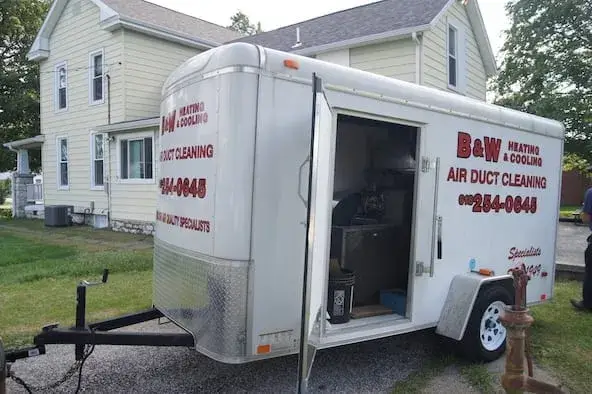
When a local name matters: choosing wisely in Wood River Local knowledge matters. A company that understands the Wood River climate, common duct layouts in older homes, and typical humidity issues in summer will propose better solutions than an out-of-town crew. B & W Heating & Cooling, for example, is a company some residents know for local service and responsiveness. I mention that not to endorse blindly, but to illustrate that local reputation and repeat business are strong predictors of care. Ask neighbors and look for completed jobs in your area.
Trade-offs you should expect and accept Higher efficiency components cost more upfront, but they often pay back through lower utility bills. Oversizing is a false economy, but so is underfunding required duct repair. Accept that quality labor takes time: a careful installation with proper airflow balancing and refrigerant charging can take a full day or more on a typical home. If a contractor promises a brand-new system placed and balanced in less than half a day at a suspiciously low price, that is likely a cornered job.
How to document and protect yourself Keep everything in writing. Before work starts, insist on a written contract with the model numbers of equipment, a clear scope of work, payment schedule, and warranty terms. During service, ask the technician to record readings and sign off on tests. Photograph the old equipment and any questionable conditions you notice. If a dispute arises, these records are your best leverage with the company, credit card company, or small claims court.
When to escalate a problem If a contractor refuses to fix documented workmanship issues, contact the licensing body for your municipality or county, file complaints with consumer protection agencies, and leave factual reviews describing your experience. Often a letter from the licensing authority moves stubborn companies faster than threats.
Final practical steps before signing any contract Ask for proof of licensing and insurance, request references for similar jobs, compare at least two estimates, and require a written contract. If you need AC installation in Wood River, take the time to verify load calculations and ask for the specifics of the commissioning process. For routine fixes, choose an HVAC company near me that offers clear diagnostics and written follow-up. For emergencies, understand the emergency rate and insist on documentation.
A closing thought The best protection against poor HVAC contractor practices is vigilance. A few minutes of questions and a little documentation at the start prevents long-term costs and discomfort. Trustworthy technicians welcome scrutiny because their work stands up to it. When you see professionalism in process — careful measurements, clear paperwork, and thoughtful explanations — you are probably working with someone who cares about your home as much as you do.
B & W Heating & Cooling
3925 Blackburn Rd, Edwardsville, IL 62025
+1 (618) 254-0645
[email protected]
Website: https://www.bwheatcool.com/